
Opinions expressed here are those of the author and do not necessarily represent the views of any government, client, or partner.
Templar Titan: From the U.S. Southern Border to Partner Nations Abroad
sovereignty, crime, and Politics:
The Case for Private Security for border patrol & enforcement
From the southern border to a global security practice
Templar Titan traces its founding to the security environment that followed September 11, 2001. Established in 2002 by a former U.S. Navy SEAL, the firm was built to support homeland security and overseas missions that the post-9/11 period suddenly made urgent. Today it operates as a global risk-management and security company, with work that includes security operations, emergency response, asset recovery, border security, executive protection, and critical-infrastructure support.
Operators work in English, Spanish, Portuguese, Hebrew, Arabic, and German, and have lived in countries across Latin America, Europe, and the Middle East.
A border-security track record
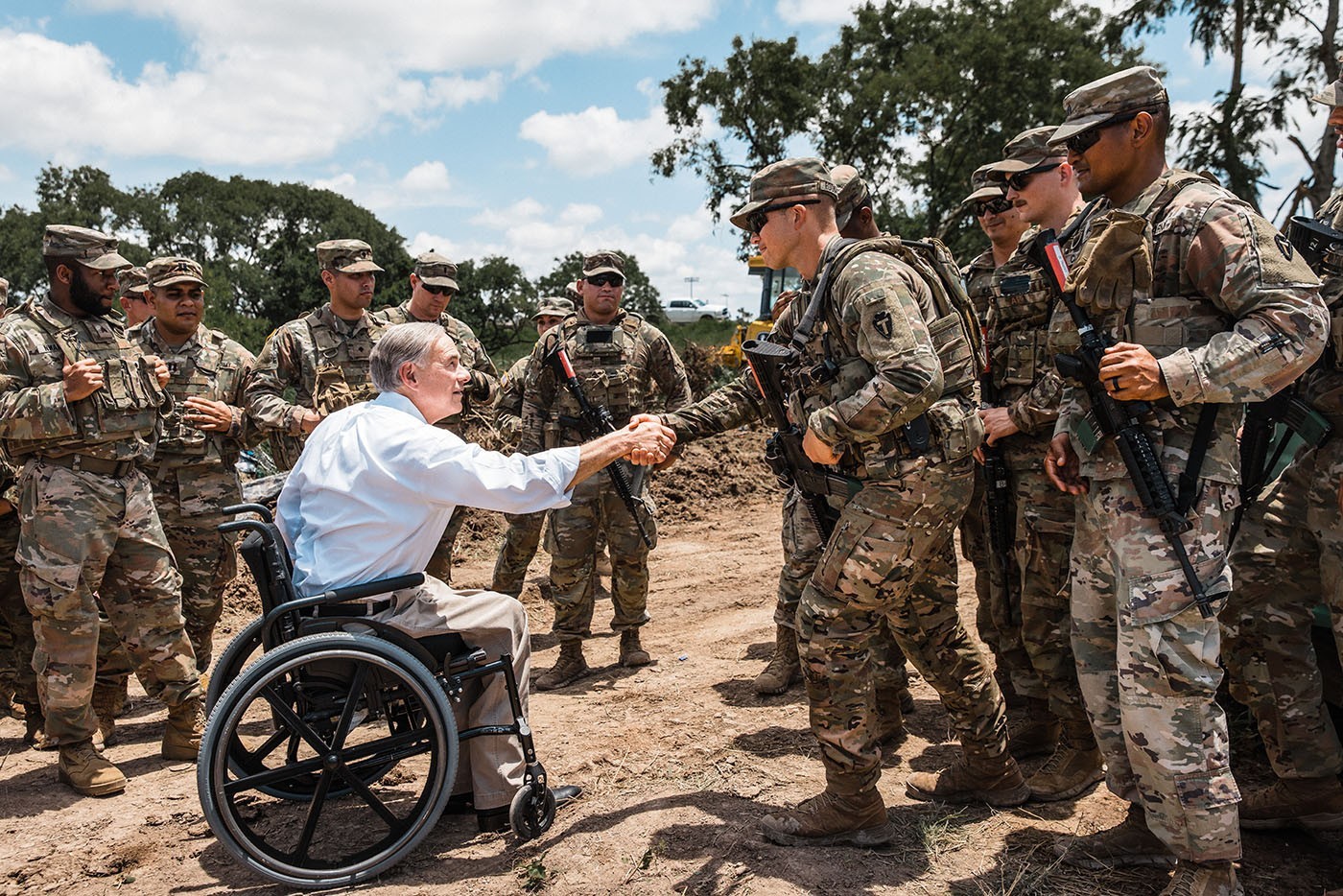
The company’s most detailed public case sits on the U.S.–Mexico line. Templar Titan designed and ran an access-control and tracking system for Granite Construction’s fence installation under the Secure Border Initiative in Arizona, New Mexico, and Texas. The assignment went beyond site security: the firm coordinated multiple contractors on the project and reported zero losses with full accountability of assets and personnel. Granite Construction named Templar Titan Subcontractor of the Year in 2008.
That project became the base for a wider cross-border practice. The firm specializes in logistics and protection for high-risk transits across the U.S.–Mexico border and works inside both U.S. and foreign regulatory frameworks. It cites nearly two decades of support to government agencies, multinational companies, and private clients in Central and South America, including static and mobile security programs for Fortune 500 operations.
Taking the same model abroad
Templar Titan now treats that border and construction-security experience as an exportable capability. Its contractors have supported the U.S. government and partner nations on protective details, disaster response, and investigations. The firm also advises international airports, military bases, and other critical sites on emerging threats and countermeasures, and it can add air assets and maritime security when the mission requires them.
On the technical side, planning work runs from access control through counter-drone measures, with threat-and-vulnerability assessments of plans already in place. That sits alongside a broader operational history the company points to as proof of range: post-9/11 response, personnel and asset recovery for major corporations after Hurricane Katrina, security for southern-border wall construction, and recovery of U.S. citizens in hostile environments.
People and standards
The international work depends on operators drawn from U.S. special operations, counterintelligence, and law enforcement, with additional subject-matter specialists on the core team. The firm emphasizes vetting, ongoing training, and compliance with the private-security rules of each jurisdiction where it works.
From fence-construction security on the southern border to infrastructure advice for foreign partners, Templar Titan’s account of itself is consistent: domestic border work was not a one-off contract. It was the template for a wider security practice.